Sperm donor success story: How Amy and Kelsea became mothers after just one round of treatment
Amy and Kelsea share how they became parents through IVF with donor sperm, and why telling their story matters.
 Lotte Sørensen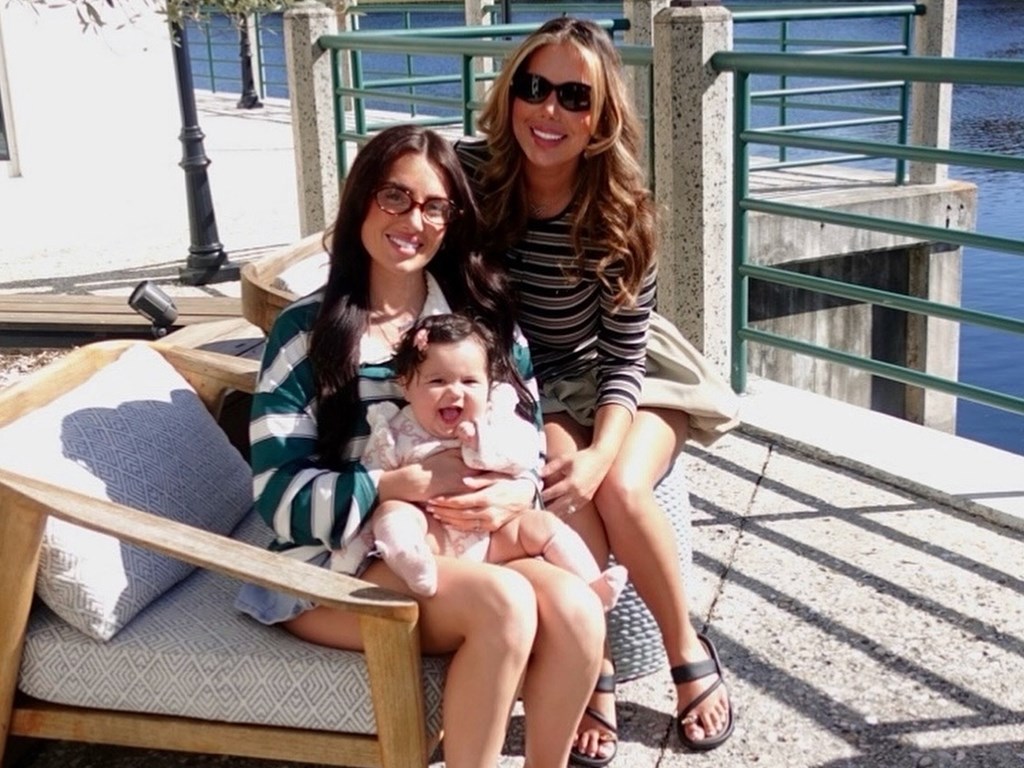
When UK-couple Amy and Kelsea first met in 2020, neither of them imagined they would one day be parents together.
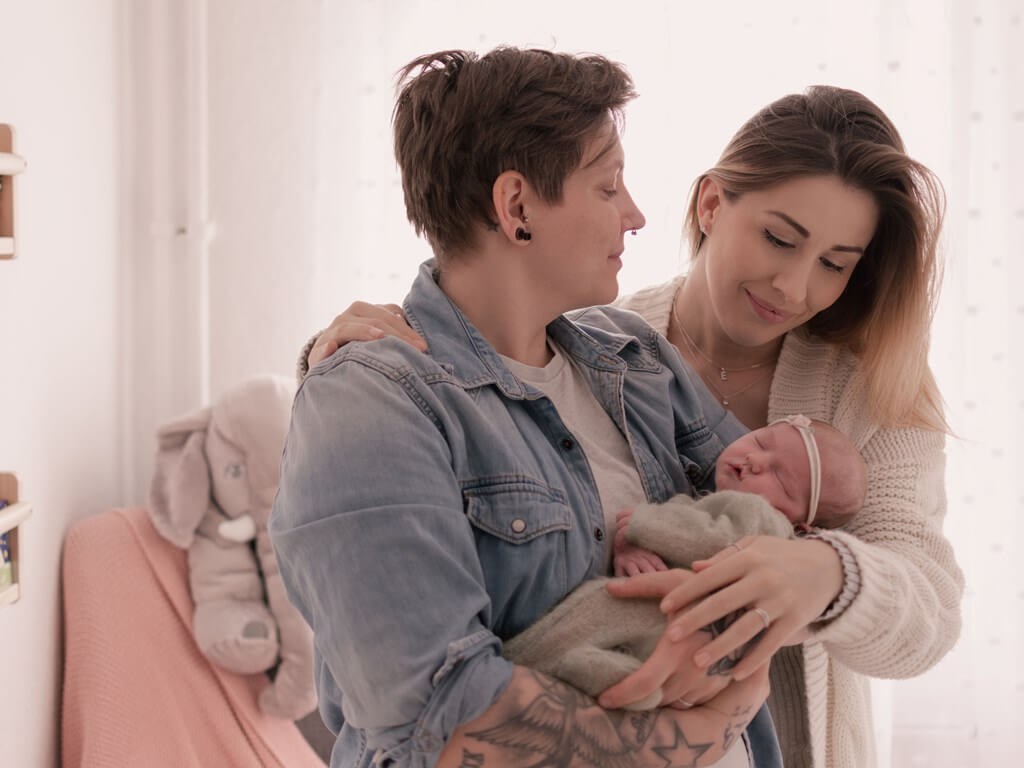
Six years later, they are married and raising their giggly 6-month-old daughter Astoria — and looking back, their path to parenthood feels both lifechanging and surprisingly natural.
Amy and Kelsea met online through TikTok during the first COVID lockdown. They met in person the day restrictions were lifted, and just three weeks later, Amy moved in.
"Lockdown was coming back, so we wouldn’t be able to see each other," Amy explains. "So, Kelsea was like, you may as well just move in."
Spending that much time together so early made things clear quickly.
"We could be in the house together all day, every day, and I never got bored," Amy says. "Everything just fit into place."
Changing their minds about children
Neither of them had dreamed of becoming parents. But over time, something shifted. As their relationship grew, the conversations about a future family became more and more realistic.
"When you’re in a same-sex relationship, it can’t really be an impulse thing," Kelsea says. "It did take quite a lot of planning and conversations."
"Once we got engaged in 2022, we were like, yeah — we want a family," Amy says.
Pregnant on the first attempt
At first, they planned for Amy to carry the pregnancy with an embryo made of Kelsea’s egg and donor sperm – a method called reciprocal IVF. But as they learned more, their plan changed.
"Timing-wise and money-wise, it made more sense for Kelsea, who is the older of us, to carry first," Amy explains. "Reciprocal IVF is a lot more expensive."
They got married in July 2024, and a week later, they had their first consultation with a clinic. Kelsea started the hormone treatment in September, had egg retrieval in October, and then had the embryo transferred five days later.
At the end of October, they found out that their very first attempt had been successful. Kelsea was pregnant.
"People tell you, don’t get too excited, it rarely works the first time," Kelsea says. "So, we didn’t expect it. We knew how lucky we were."
The treatment resulted in three extra embryos. That means their future children will be full genetic siblings, even though they plan for Amy to carry the next pregnancy.
Adjusting to life with a baby
Astoria was born by a planned caesarean section on one of the hottest days of 2025.
"The hospital was absolutely amazing. Everybody was brilliant. It was a really good experience," Amy recalls.
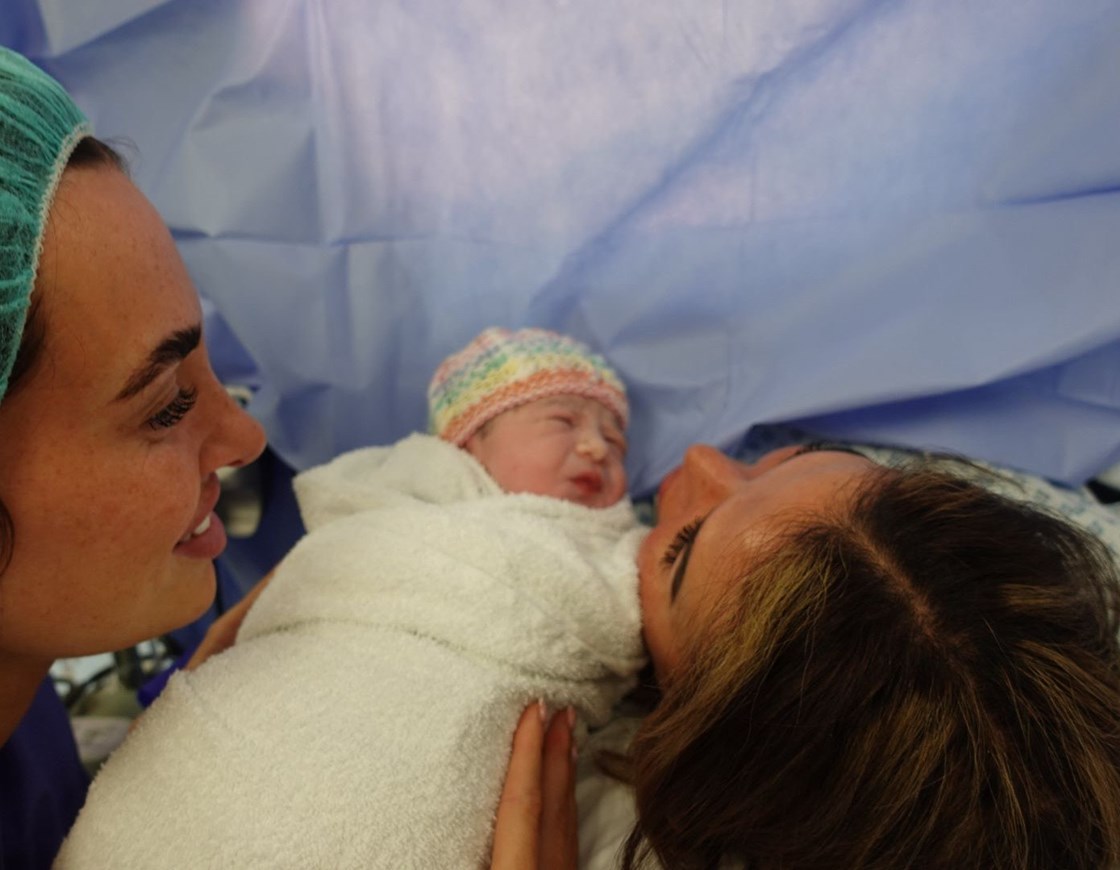
She is full of admiration for how Kelsea handled pregnancy and birth.
"She made it look like a breeze. I’m so proud of her. She had such a good pregnancy, she absolutely smashed it. So now if I get pregnant, I’ve got a lot to live up to," Amy says.
Settling into life as parents has felt natural rather than overwhelming.
"It surprised me how we quickly both adapted and how natural it is. She’s just slotted into our lives," Amy says.
"People say it’s a different kind of love, and it really is. We cry over everything. She picked up a spoon the other day - she didn’t even get it in her mouth - and we both started crying," Kelsea recounts.
Astoria is a happy and easy-going baby, although she has lots of wake ups in the night.
"You just adapt," Kelsea explains. "She’s not the best sleeper, but it hasn’t felt as hard as people warned. Your body adjusts. You cope."
Blood doesn’t make a family
Amy is not genetically related to Astoria, but this has never felt like an issue.
"For me, blood doesn’t make a family," she says. "I wouldn’t love her any differently if she was from my egg. She is just my baby."
She’s often asked about genetics online, especially by other LGBTQIA+ couples.
"A lot of people say they want a baby that’s genetically theirs," Amy says. "But I’ve honestly never felt that."
People frequently comment that Astoria looks like both mums.
"She’s got dark hair, dark eyes," Amy smiles. "We get told all the time that she looks like a mix of us."
Appearance did play a small part in finding the right sperm donor, but it definitely wasn’t the deciding factor, the couple explains.
"Our donor actually came up through the photo match option, which showed donors with similar facial features to Amy. We looked deeper and chose someone with an outgoing personality similar to ours, something you can explore too using the Personality Explorer," they explain.
Find out what you want in a donor
The importance of representation
As their family has grown, Amy and Kelsea have realised how rarely they have seen families like theirs represented openly.
"I would not have had a clue how to find a donor when we first got together," Kelsea says. "I wouldn't have known how to start, where to go, how that even works."
That’s why they feel a strong sense of responsibility to share their story on TikTok and Instagram, Kelsea explains.
"I think that being visible is so important. Sometimes it can feel a bit intrusive to share your whole life, but it also feels so important. It’s something we enjoy doing."